
IPTV Basics · September 2, 2026 · 6 min read
The History and Evolution of IPTV Technology
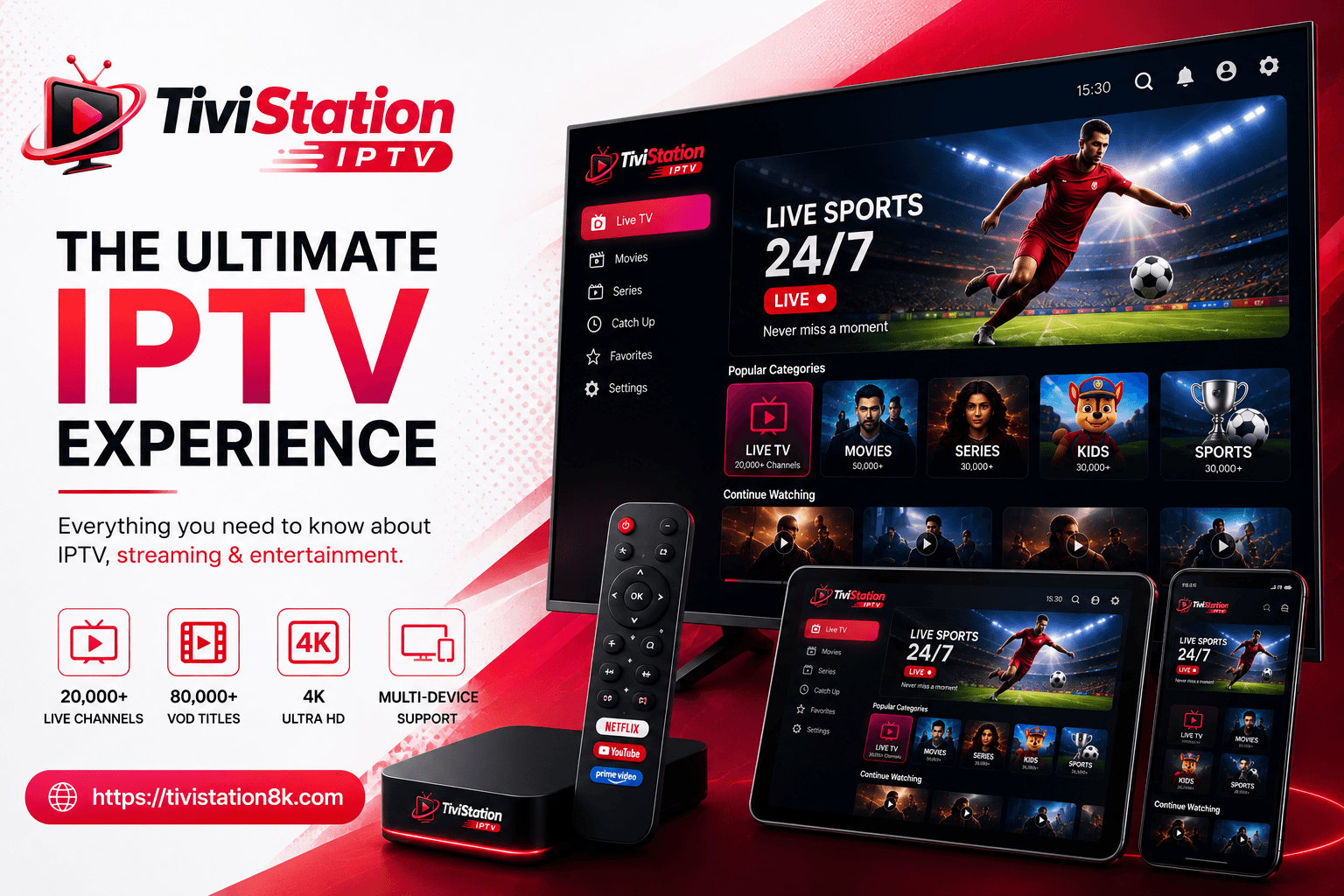
IPTV grew out of early experiments in delivering video over data networks in the late 1990s and 2000s, and became a mainstream alternative to cable and satellite once home broadband and streaming devices became widespread in the 2010s.
Early foundations
The core idea behind IPTV — sending video as data packets over an IP network rather than through dedicated broadcast infrastructure — emerged alongside the broader growth of internet video in the early 2000s, as telecom and technology companies began experimenting with delivering TV-like services over existing data lines.
The broadband and smartphone era
Widespread consumer adoption followed the rise of fast, affordable home broadband and the spread of capable streaming devices and smartphones through the 2010s. This combination made real-time video delivery over the internet practical at consumer scale for the first time, rather than a niche technical curiosity.
From niche to mainstream alternative
As player apps like IPTV Smarters Pro and TiviMate matured, and server infrastructure improved to handle live-event demand, IPTV moved from a technical workaround into a genuine alternative to cable — covered in full in IPTV vs cable TV.
Where the technology is headed
Ongoing improvements in server infrastructure, adaptive streaming and device support continue to close the gap with traditional broadcast reliability — the practical result being fewer of the buffering and quality issues that defined IPTV's earlier years.
How player apps changed the experience
Early IPTV setups often required more technical know-how — manually configuring media players, editing playlist files by hand. The rise of purpose-built apps like IPTV Smarters Pro and TiviMate turned setup into a login-and-go process comparable to any consumer streaming app, which is a large part of why IPTV moved from a hobbyist activity into mainstream household use.
What hasn't changed
The core idea — channels delivered as data over the internet instead of dedicated broadcast infrastructure — has remained constant since the earliest implementations. What's improved is everything around that idea: server reliability, device support, and how easy it is for an ordinary household to set up and use.
How pricing has evolved alongside the technology
As infrastructure and competition matured, pricing shifted from a niche, often expensive proposition toward the accessible range covered in the IPTV pricing guide today — a direct result of server costs dropping and the market becoming large enough to support genuine competition on price and quality.
What might change next
Continued improvements in codecs and adaptive streaming technology generally push in one direction: better quality at lower bandwidth requirements, which should make 4K streaming reliable on progressively more modest internet connections over time.
Understanding the technology today
For the current state of how IPTV actually works, start with what is IPTV? and how does IPTV work?
Frequently asked questions
When did IPTV become mainstream?
Widespread consumer adoption followed the broader rise of fast home broadband and smartphone/streaming-device ownership in the 2010s, which made real-time video delivery over the internet practical at scale for the first time.
Is IPTV technology still evolving?
Yes — improvements in server infrastructure, adaptive streaming and device support continue steadily, generally aimed at making live-channel delivery over the internet more reliable and closer to traditional broadcast quality.
Related resources
Written by the TiviStation team · Published September 2, 2026. Questions about anything in this guide? Contact our 24/7 support team or learn more about TiviStation.
Ready to try TiviStation?
Plans from $20/month with 20,000+ channels in 4K and a 24-hour free trial.
See Pricing